


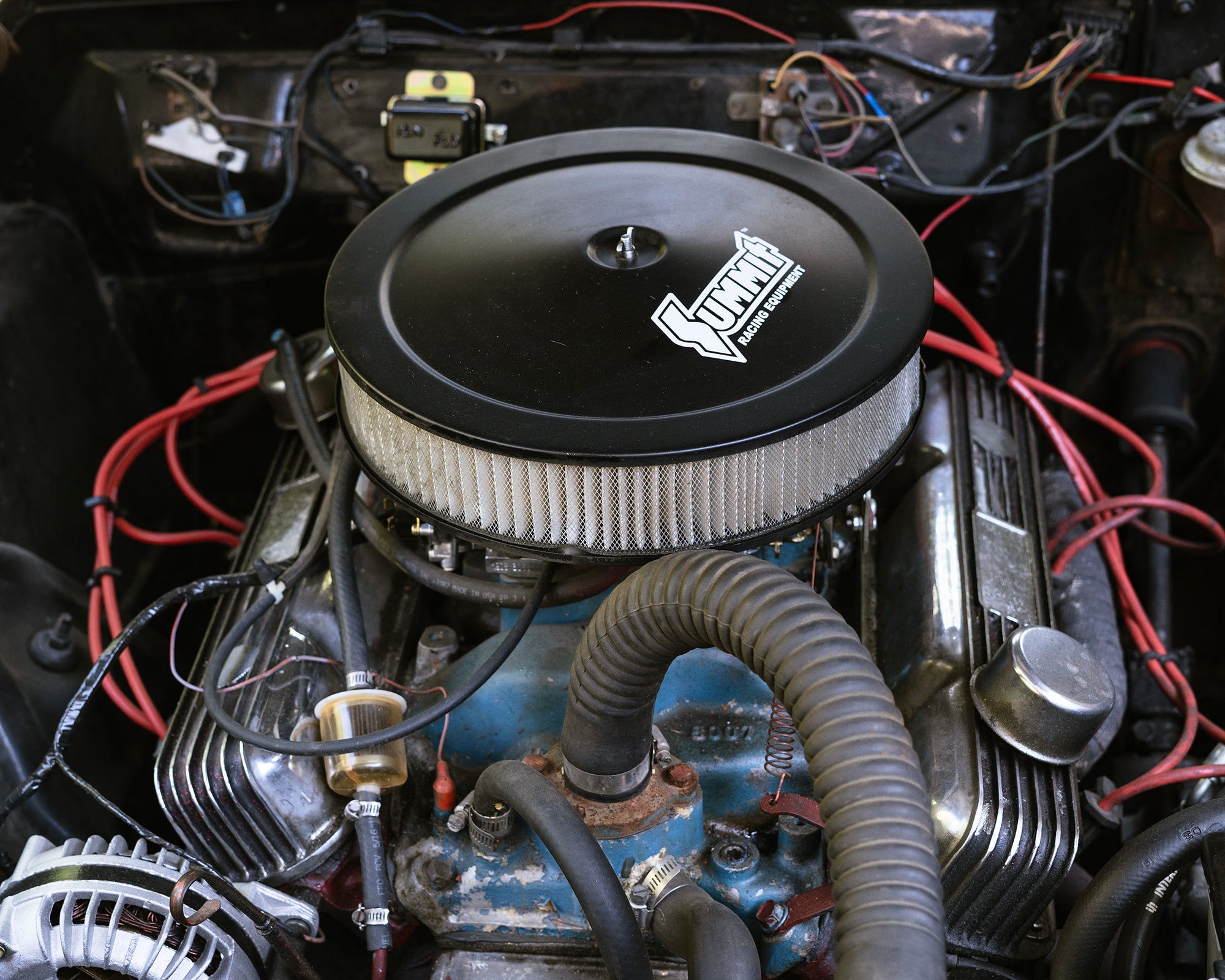


1964 Dodge 440 Station Wagon
Detroit, Michigan, USA
Description
Introduced in 1964, the Dodge 440 Station Wagon represents a time when the station wagon was at the heart of everyday American life. Built on Chrysler's full-size B-body platform, its long, understated proportions, generous glass, and restrained chrome reflect an era when practicality and thoughtful design existed in perfect balance.
Unlike sports cars that were preserved from the beginning, wagons like this were built to be used. They carried families, furniture, road trips, and the routines of everyday life, making surviving examples increasingly rare today.
Originally delivered in California, this Dodge later found its way to Germany, where it underwent a professional restoration before returning home to Los Angeles. Today it continues its journey as the first vehicle in the Unreturned collection.
More than transportation, it has become a working companion - carrying furniture across Los Angeles, transporting pieces to photoshoots, and appearing throughout our first Unreturned campaign. It reminds us that the most meaningful objects are often those created not to impress, but simply to serve.
For us, this wagon represents everything Unreturned stands for: thoughtful design, honest craftsmanship, and the belief that even the most practical objects can become deeply beautiful through the lives they live.
Condition
Dimensions
Please note: All items are vintage and sold as is. All sales are final. Please review all photos and dimensions carefully before purchasing. Colors may vary slightly depending on your screen settings. If you have any questions or would like additional photos, we're always happy to help.
1964 Dodge 440 Station Wagon
Detroit, Michigan, USA
Description
Introduced in 1964, the Dodge 440 Station Wagon represents a time when the station wagon was at the heart of everyday American life. Built on Chrysler's full-size B-body platform, its long, understated proportions, generous glass, and restrained chrome reflect an era when practicality and thoughtful design existed in perfect balance.
Unlike sports cars that were preserved from the beginning, wagons like this were built to be used. They carried families, furniture, road trips, and the routines of everyday life, making surviving examples increasingly rare today.
Originally delivered in California, this Dodge later found its way to Germany, where it underwent a professional restoration before returning home to Los Angeles. Today it continues its journey as the first vehicle in the Unreturned collection.
More than transportation, it has become a working companion - carrying furniture across Los Angeles, transporting pieces to photoshoots, and appearing throughout our first Unreturned campaign. It reminds us that the most meaningful objects are often those created not to impress, but simply to serve.
For us, this wagon represents everything Unreturned stands for: thoughtful design, honest craftsmanship, and the belief that even the most practical objects can become deeply beautiful through the lives they live.
Condition
Dimensions
Please note: All items are vintage and sold as is. All sales are final. Please review all photos and dimensions carefully before purchasing. Colors may vary slightly depending on your screen settings. If you have any questions or would like additional photos, we're always happy to help.
1964 Dodge 440 Station Wagon
Detroit, Michigan, USA
Description
Introduced in 1964, the Dodge 440 Station Wagon represents a time when the station wagon was at the heart of everyday American life. Built on Chrysler's full-size B-body platform, its long, understated proportions, generous glass, and restrained chrome reflect an era when practicality and thoughtful design existed in perfect balance.
Unlike sports cars that were preserved from the beginning, wagons like this were built to be used. They carried families, furniture, road trips, and the routines of everyday life, making surviving examples increasingly rare today.
Originally delivered in California, this Dodge later found its way to Germany, where it underwent a professional restoration before returning home to Los Angeles. Today it continues its journey as the first vehicle in the Unreturned collection.
More than transportation, it has become a working companion - carrying furniture across Los Angeles, transporting pieces to photoshoots, and appearing throughout our first Unreturned campaign. It reminds us that the most meaningful objects are often those created not to impress, but simply to serve.
For us, this wagon represents everything Unreturned stands for: thoughtful design, honest craftsmanship, and the belief that even the most practical objects can become deeply beautiful through the lives they live.
Condition
Dimensions
Please note: All items are vintage and sold as is. All sales are final. Please review all photos and dimensions carefully before purchasing. Colors may vary slightly depending on your screen settings. If you have any questions or would like additional photos, we're always happy to help.


